Orthopaedic surgery is a physical craft as much as it is an intellectual one. It demands standing for hours, moving with precision in three dimensions, and making millimetre-level decisions while managing complex team dynamics and patient factors. For me, training for Hyrox, running, and regular strength work is the deliberate choice to keep my body and mind conditioned for that reality.
Why a Surgeon Who Trains Like an Athlete
When I push through a hard interval session, a heavy strength block, or a long run, I am rehearsing the same qualities I rely on in the operating theatre: stamina, composure under fatigue, focus when things get difficult, and the ability to reset quickly between efforts. The discipline that gets you through the final kilometre of a race is remarkably similar to the discipline that keeps you calm and precise at the three-hour mark of a complex joint replacement.
Fitness as a Professional Responsibility
I do not see fitness as an optional extra for surgeons in a physically demanding specialty. Our profession requires coordination, dexterity, and endurance; to me, that implies we should treat our own bodies with the same respect we ask of our patients. When you spend your days seeing the effects of deconditioning, osteoarthritis, and sedentary lifestyles, it becomes very difficult to justify letting yourself slide in the same direction.
In clinic, I see what happens over years when muscle mass fades, when VO2 max quietly declines, and when movement becomes something people avoid rather than embrace. It affects not just whether someone can walk around the block, but whether they can live independently, avoid falls, and recover from surgery. Watching that play out in real people has been one of the strongest drivers of my own decision to maintain - and continually challenge - my physical capacity.
VO2 Max, Lean Muscle, and Healthspan
There is now a substantial body of research showing that cardiorespiratory fitness, typically measured as VO2 max, is one of the strongest predictors of longevity and healthspan. Higher VO2 max is associated with lower all-cause mortality and better cardiovascular outcomes, in some analyses rivalling smoking status or hypertension as a determinant of risk. In practical terms, improving your aerobic capacity is one of the most powerful levers you can pull to stay healthier for longer.
Similarly, lean muscle mass does more than help you lift a barbell. Large cohort studies in older adults show that greater lean tissue is independently associated with improved overall and cardiovascular survival, even after accounting for fat mass and traditional risk factors. Low lean mass in middle and older age is consistently linked to higher mortality, and preserving or building muscle becomes a direct investment in future resilience, not just appearance.
"When I train eight times per week, prioritise protein intake, and pay attention to recovery, that behaviour is rooted in data. I am actively trying to keep my VO2 max and lean mass in a range that supports both my current performance and my long-term healthspan."
- Dr Chien-Wen LiewHealthspan as the Real Goal
As orthopaedic surgeons, we see a disproportionate amount of the downside of ageing without adequate physical preparation. Joint surfaces worn down by years of overload, muscles that have quietly wasted away, and balance systems that are no longer robust enough to prevent falls - they all add up over decades. Hip and knee replacements can restore function and reduce pain, but they cannot replace decades of lost conditioning.
That constant exposure to deconditioning has shaped my personal philosophy. I aim not just to live long, but to extend the number of years in which I can move, think, and operate at a high level - my healthspan. That is why I do not drink alcohol, why I prioritise sleep, and why my diet is deliberately clean and built around adequate protein and hydration: each of those choices supports recovery, hormonal balance, and long-term cognitive and physical performance.
Mindfulness, meditation, sauna, and ice baths sit in the same category for me. They are tools to manage stress, improve autonomic balance, and keep my nervous system as well conditioned as my musculoskeletal system. Operating is cognitively and emotionally demanding; anything that improves clarity under pressure and speeds recovery between high-stress days ultimately benefits patients as much as it benefits me.
What This Means in the Operating Theatre
The link between physical conditioning and surgical performance is not just theoretical. Emerging literature and real-world experience suggest that fitter surgeons may benefit from better stamina in long cases, improved posture and ergonomics, quicker reaction times, and sharper concentration. Strength training in particular can reduce musculoskeletal pain, improve core stability, and help maintain the fine motor control required for precise work over many hours.
From my own perspective, the benefits are tangible. Going into a long list with a well-trained cardiovascular system means my energy levels are stable throughout the day; I am not battling fatigue halfway through the afternoon. Regular strength and mobility work mean I can maintain comfortable, controlled positions while operating, which helps keep movements smooth and deliberate rather than rushed or compensatory. And the mental toughness built through repeated exposure to physical discomfort transfers directly into staying calm and systematic when a case takes an unexpected turn.
A Culture of Fitness at Orthopaedics 360
One of the most motivating aspects of working at Orthopaedics 360 is that I am surrounded by colleagues who share a similar commitment to their own physical health. It is not something we formally advertise, but it is very much embedded in the culture of the practice: most of us train regularly, pay attention to what we eat, and think carefully about how to preserve our energy and focus for patients. Being in that environment naturally raises the bar - it becomes normal to prioritise health, rather than a quirky personal preference.
That culture also influences how we relate to our patients. When you personally do strength work, interval sessions, and structured training blocks, it changes how you discuss pre-habilitation and rehabilitation after joint replacement. You talk about muscle mass, VO2 max, and progression of loading not as abstract concepts, but as things you work on yourself every week. There is a shared understanding that surgery is just one step in a much larger process of maintaining or regaining function, and that movement, conditioning, and lifestyle remain central long after the incision has healed.
Not Perfection, But Intentionality
I am acutely aware that not everyone has the time, resources, or inclination to train at the volume or intensity that I do. The goal is not to create a divide between "fit" and "unfit" people, nor to suggest that you must live like a competitive athlete to be a good surgeon or a healthy patient. Rather, my view - shaped by both the literature and daily clinical practice - is that any movement along the spectrum towards better fitness, more muscle, and higher cardiorespiratory capacity meaningfully improves healthspan and resilience.
For me personally, training hard, eating well, and protecting sleep are non-negotiable because they underpin how I operate, think, and age. For my colleagues at Orthopaedics 360, similar commitments manifest in their own ways, creating an environment where physical and professional standards reinforce each other. And for my patients, my hope is that seeing their surgeon live these principles makes it easier to believe that change is possible - that strength, mobility, and endurance are worth working for at any age, and that the true aim is not just a longer life, but a better one.
References
- Ross R, Blair SN, Arena R, et al. Importance of assessing cardiorespiratory fitness in clinical practice: A case for fitness as a clinical vital sign. Circulation. 2016;134(24):e653–e699.
- Kodama S, Saito K, Tanaka S, et al. Cardiorespiratory fitness as a quantitative predictor of all-cause mortality and cardiovascular events in healthy men and women: A meta-analysis. JAMA. 2009;301(19):2024–2035.
- Kokkinos P, Faselis C, Myers J, et al. Cardiorespiratory fitness and mortality risk across the spectrum of age, sex, and race. Circulation. 2010;122(7):570–578.
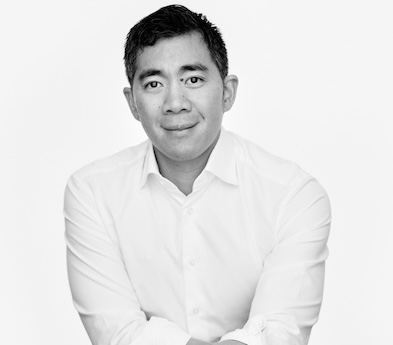
Orthopaedic Surgeon, Adelaide